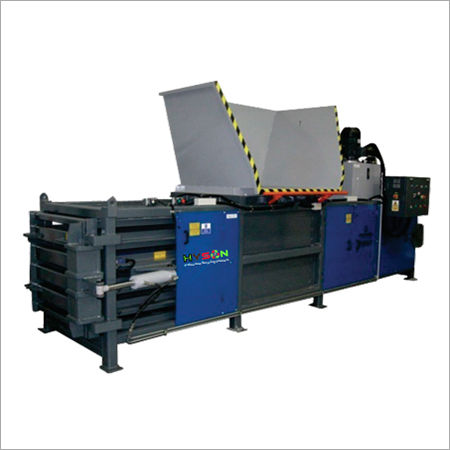
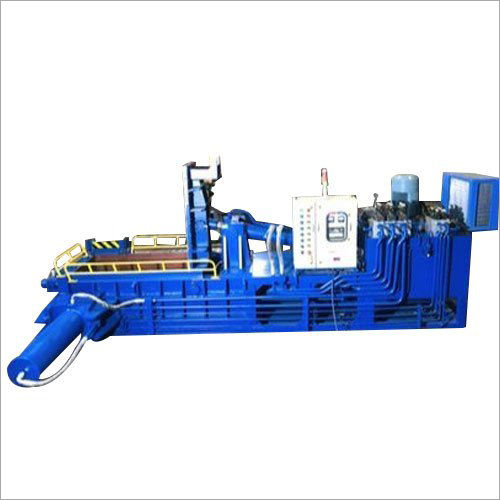
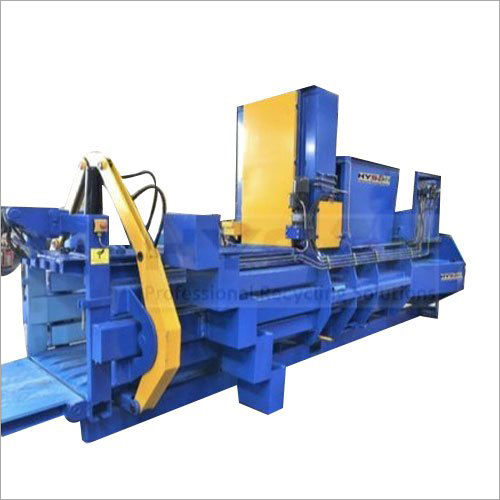
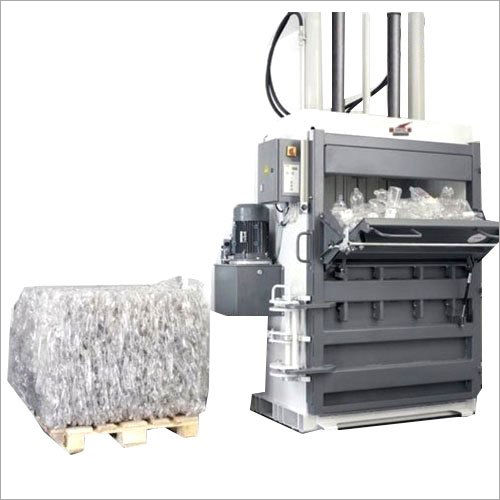
Operating at pressures up to 3000 PSI, the Double Compression Bailing Press utilizes ISO VG 68 hydraulic oil with a generous 900-liter tank capacity for optimum force and reliability. Advanced control systems and proportional valves ensure precise movement and efficient baling, while its heavy-duty hydraulic motor delivers nominal force between 100 and 200 tons.
Cycle times range from 90 to 120 seconds per bale, maximizing throughput and operational efficiency. Built-in safety measures such as interlocks, emergency stop, overload protection, and PLC-controlled processes safeguard both operators and equipment. The automatic ejection and hydraulically operated feeding door further streamline the workflow.
FAQ's of Double Compression Bailing Press:
Q: How does the Double Compression Bailing Press improve scrap handling efficiency?
A: The press compacts various types of metal scrap-including MS, stainless steel, aluminum, copper, brass, turnings, and CRC sheet scrap-into adjustable bales, reducing storage space and facilitating easier transport. Its rapid cycle time and automatic ejection system further optimize the handling process.
Q: What materials are suitable for processing in this bailing press?
A: This machine is engineered to handle a wide range of metallic scraps such as mild steel, stainless steel, aluminum, copper, brass, turnings, borings, CRC sheet scrap, and similar materials commonly found in industrial recycling operations.
Q: When should the hydraulic oil (ISO VG 68) be checked or replaced?
A: Regular inspection of the hydraulic oil, ideally every month or as recommended in the maintenance schedule, ensures peak performance. Replacement intervals depend on usage conditions, typically ranging from several months to a year, to maintain optimal system pressure and lubrication.
Q: Where is this bailing press typically utilized?
A: Double Compression Bailing Presses are predominantly used in metal recycling plants, manufacturing facilities, scrap yards, and export packaging operations across India and internationally, wherever efficient metal waste management is required.
Q: What is the process for bale ejection, and is it automated?
A: The press features a fully automatic ejection system. Once the bale is formed, it is automatically pushed out of the chamber, eliminating manual intervention and streamlining the production cycle.
Q: Is the feeding door manually operated?
A: No, the feeding door of this bailing press is hydraulically operated, enabling quick and safe loading of scrap materials while supporting automated workflow controls.
Q: What are the primary benefits of using the touch screen HMI and PLC control panel?
A: The integrated touch screen HMI and PLC system allow for easy operation, process monitoring, real-time diagnostics, and precise control of all press functions, enhancing productivity, reducing downtime, and improving user safety.

 Send Inquiry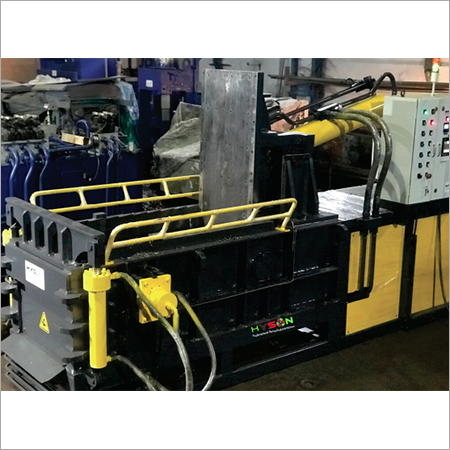




 Send Inquiry



